


Perforating Gun Market in Oil Well Completion
A perforating gun is a critical oil and gas well completion tool that you use to create controlled flow paths between a hydrocarbon reservoir and a cased wellbore. By carrying and firing shaped charges at a selected downhole depth, the perforating gun penetrates the steel casing, cement sheath and surrounding formation. These perforation tunnels allow oil or natural gas to enter the well and establish the connection required for production, testing, stimulation or hydraulic fracturing.
What Is a Perforating Gun
After you drill an oil or gas well, you normally install steel casing and pump cement into the annular space between the casing and the formation. The casing supports the wellbore, while the cement isolates different geological zones and protects the structural integrity of the well.
This construction also separates the reservoir from the inside of the casing. Before production can begin, you must open the selected reservoir interval without damaging the entire casing string. A perforating gun performs this function by firing shaped charges through accurately positioned ports or scallops.
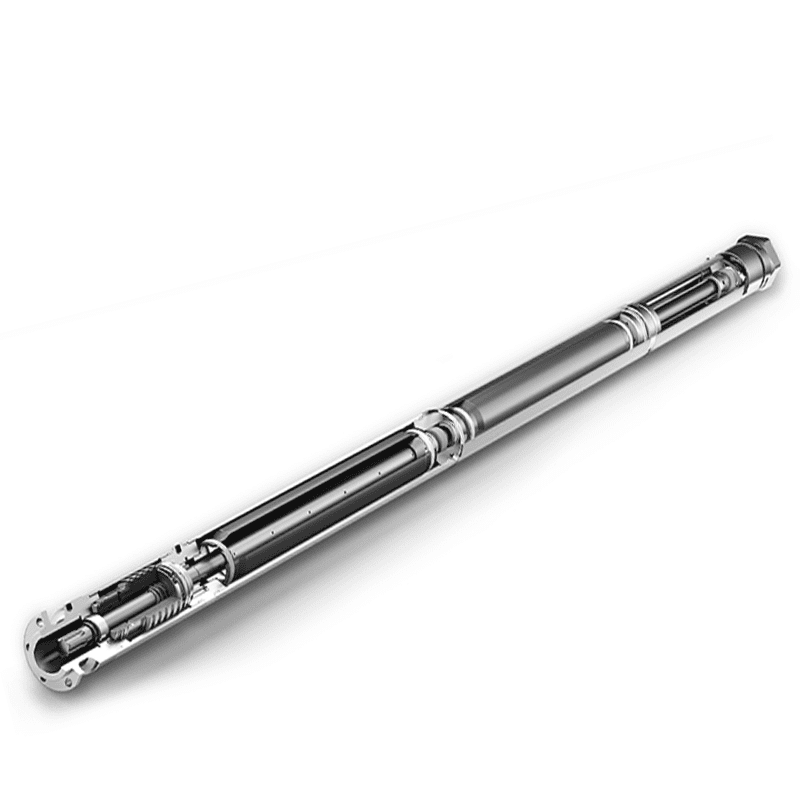
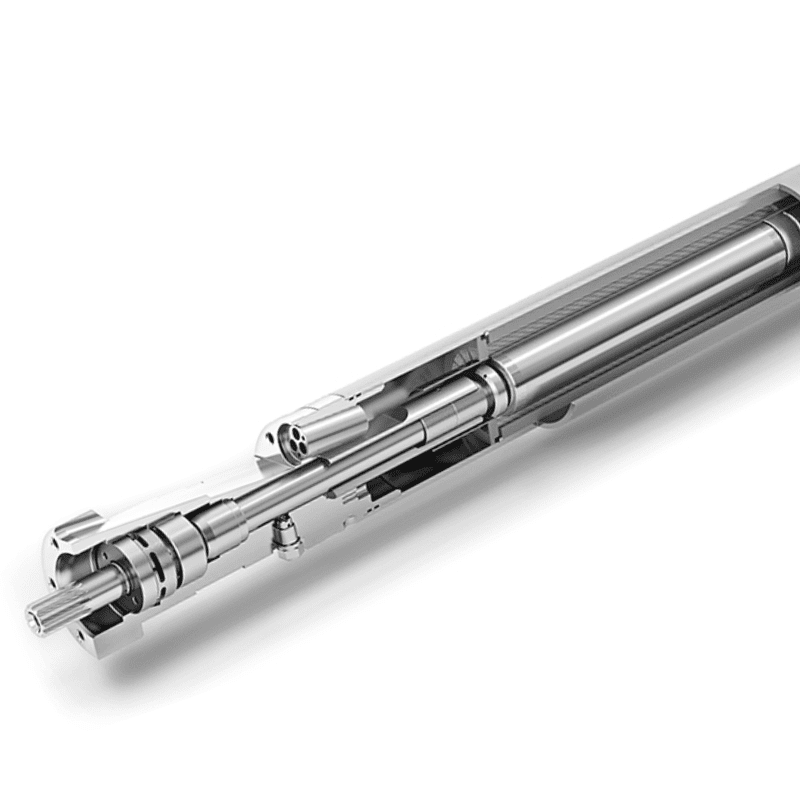
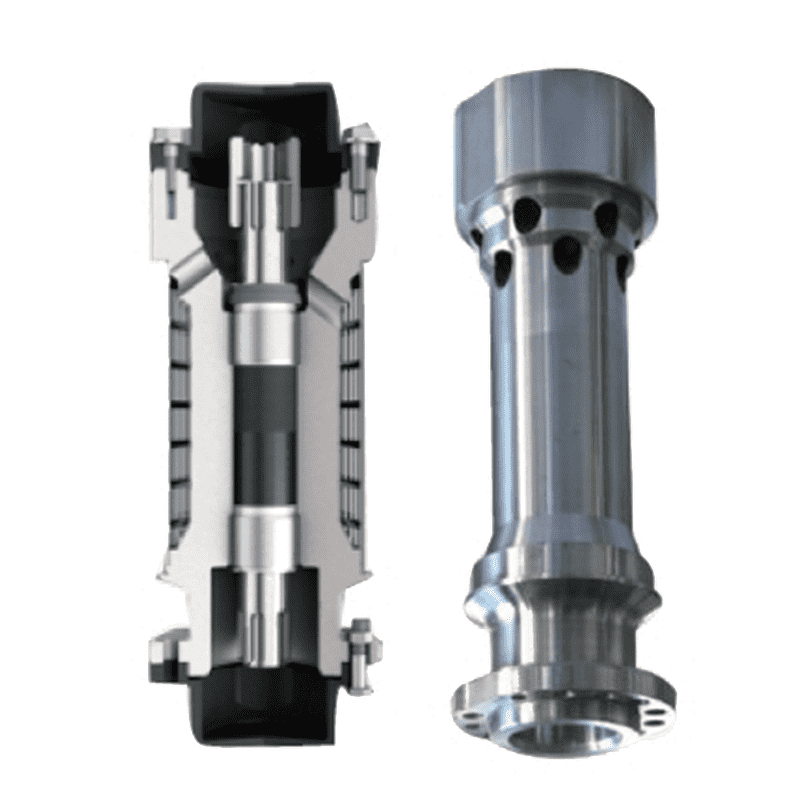
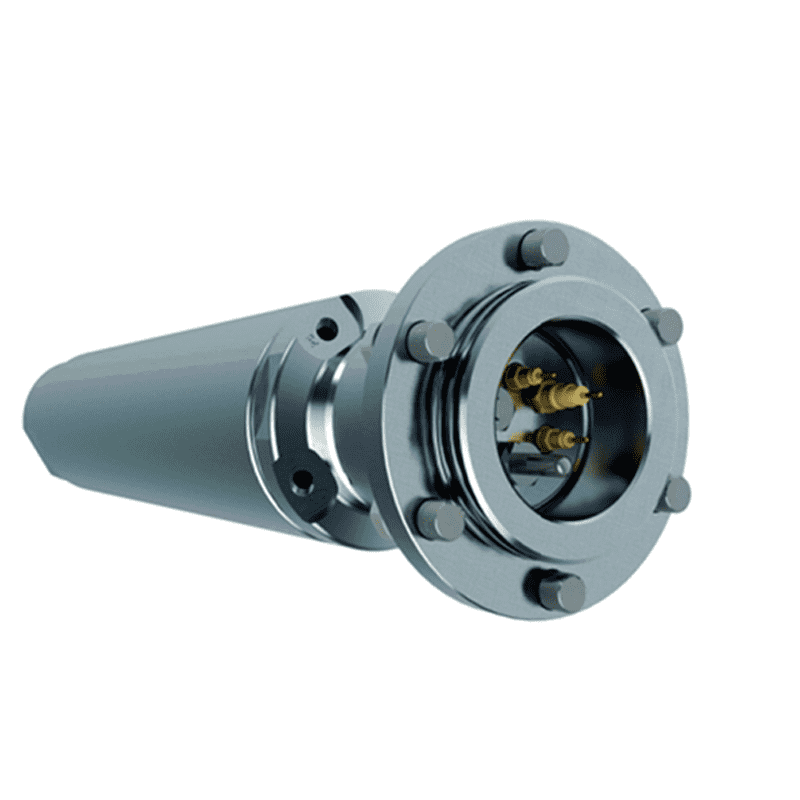
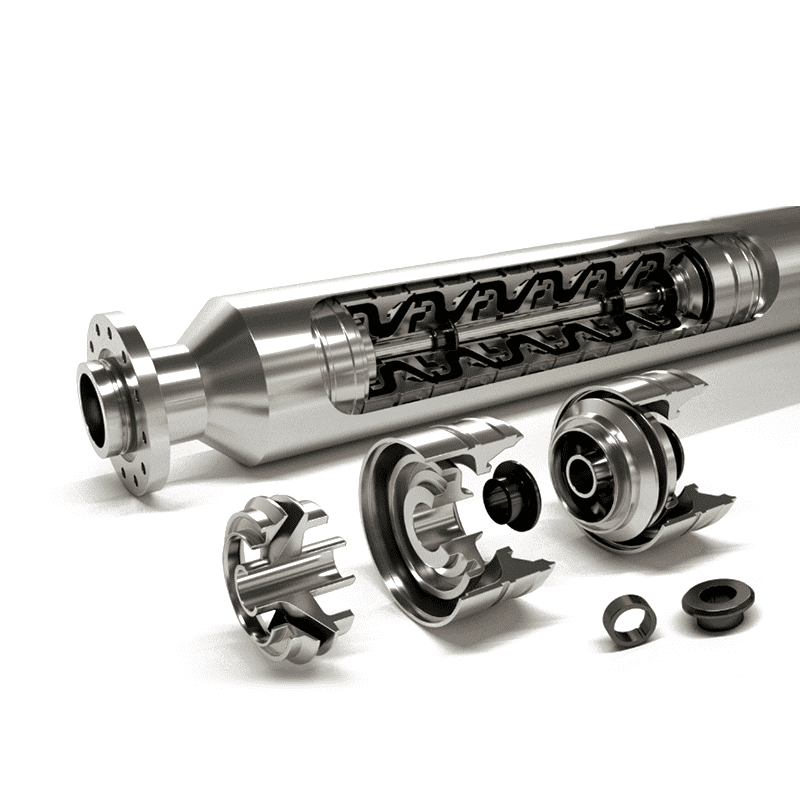
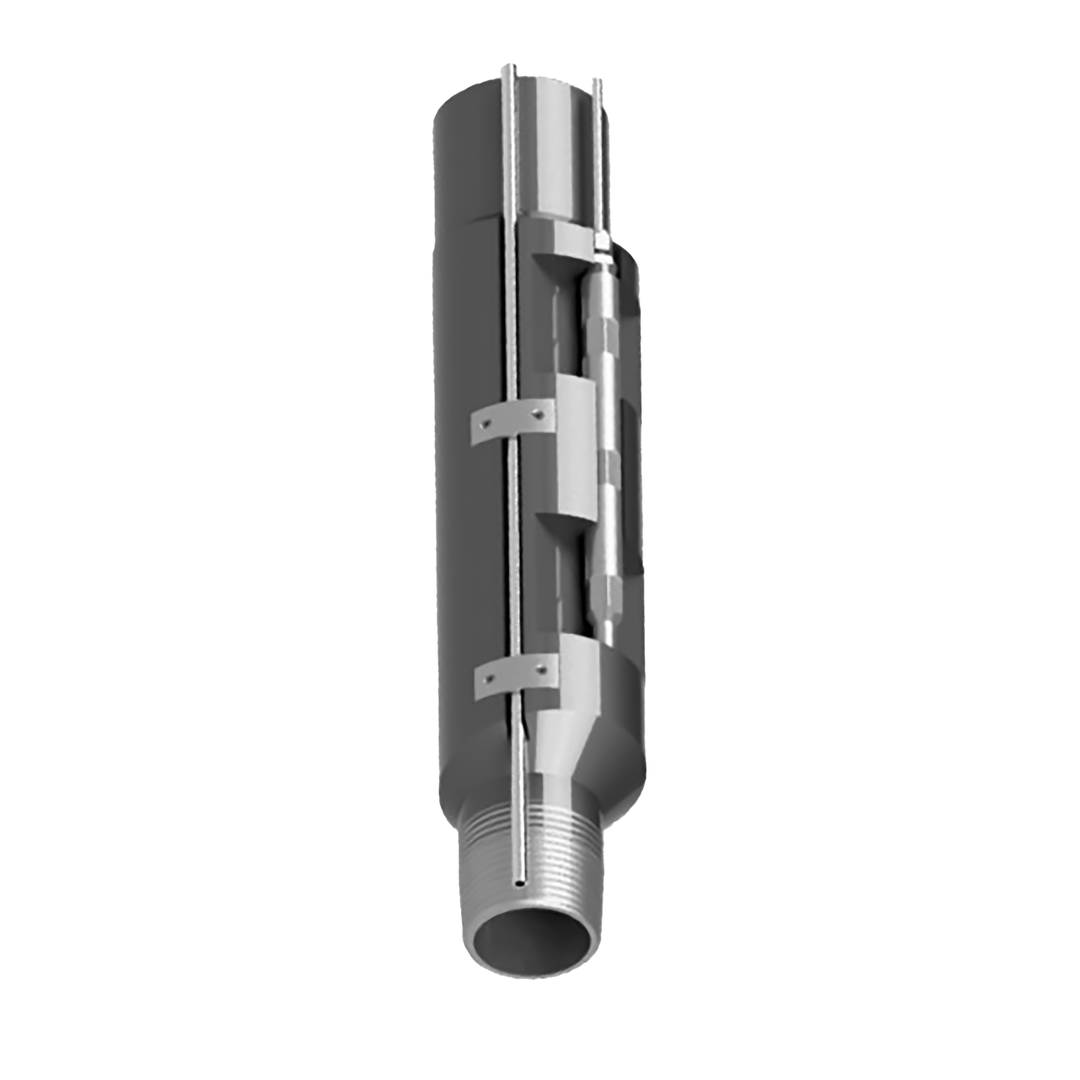
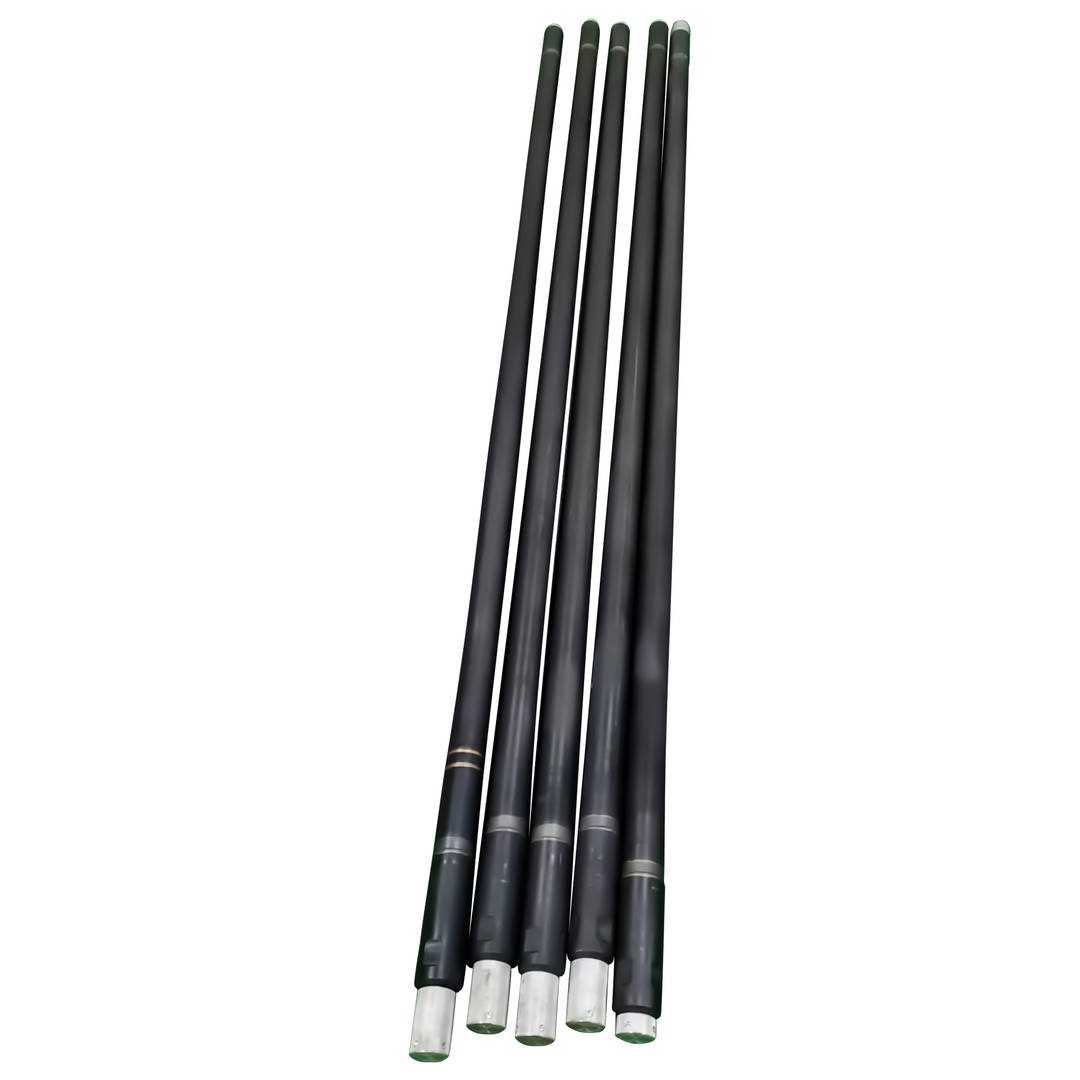
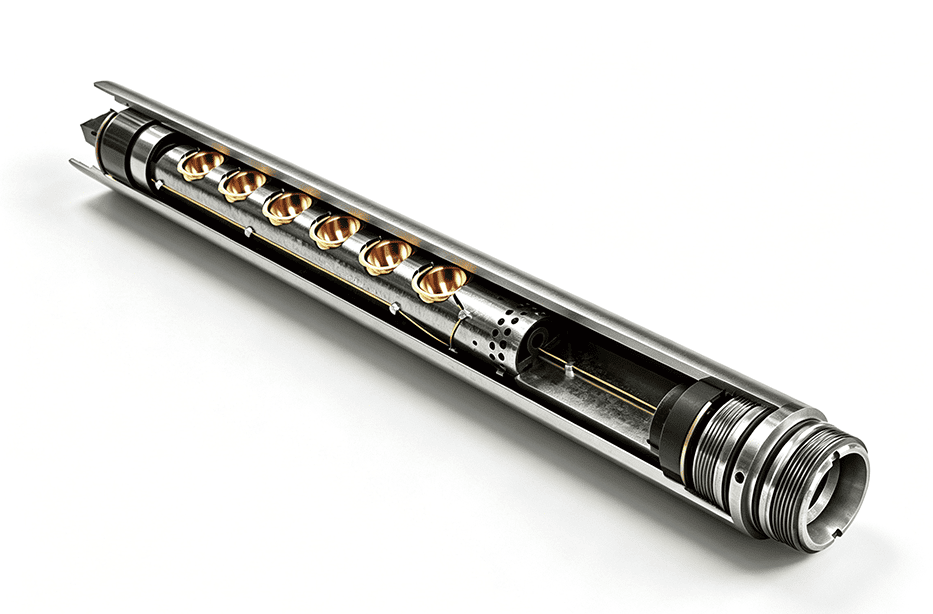
A typical oil well perforating gun consists of a steel carrier, gun head, gun tail, charge tube, shaped charges, detonating cord, initiator, pressure seals and connecting subs. The steel carrier acts as a sealed pressure-bearing body that protects the explosive components from downhole fluids, pressure and temperature.
How Shaped Charge Perforating Works
Inside the perforating gun, each shaped charge normally contains an explosive material and a conical metallic liner. When the initiation system fires, the explosive collapses the liner and converts part of it into a narrow, high-velocity metal jet.
You use this focused jet to penetrate several layers:
- The perforating gun carrier
- The well casing
- The cement sheath
- The near-wellbore formation
The Chinese Petroleum and Petrochemical Equipment Industry Association describes shaped-charge jets with tip velocities of approximately 7,000 metres per second. The resulting tunnel creates a flow path from the reservoir into the wellbore. The liner material, explosive loading, standoff distance and charge geometry affect the entrance-hole diameter, penetration depth, tunnel shape and residual debris.
You can arrange the charges at different shot densities and phasing angles. Common configurations distribute the shots around the circumference of the gun at angles such as 30, 45, 60, 72, 90 or 120 degrees. Shot density is commonly expressed as shots per metre or shots per foot.
Main Types of Perforating Guns
You can classify perforating guns by conveyance method, carrier structure, operating environment and perforation objective.
Wireline Conveyed Perforating Gun
With a wireline perforating gun, you lower the gun into the well using an electric cable. The cable provides mechanical support and allows the surface system to control depth correlation and initiation.
You normally use wireline-conveyed systems for cased-hole perforating, selective zone opening, plug-and-perforate completions and remedial perforating. In horizontal wells, the toolstring may be pumped down the casing to reach the planned stage.
Wireline systems can include casing collar locators and gamma-ray tools to correlate the gun position with the completion depth. This allows you to fire the shaped charges across the specified reservoir interval.
Tubing Conveyed Perforating System
A tubing conveyed perforating system, commonly called TCP, is run into the well on tubing, drill pipe or a test string. This method allows you to deploy a longer gun assembly than many conventional wireline operations.
You commonly find TCP systems in long completion intervals, highly deviated wells, horizontal wells, offshore wells and high-pressure or high-temperature applications. The gun may be initiated hydraulically, mechanically, electrically or through pressure-controlled firing equipment.
Market research from Grand View Research reported that tubing conveyed perforating systems represented 50.3 percent of global perforating gun revenue in 2023.
Through-Tubing Perforating Gun
You use a through-tubing perforating gun when the production tubing remains installed. Its smaller outside diameter allows the system to pass through the tubing and reach the selected interval below.
This configuration is commonly associated with well intervention, reperforating, opening additional producing zones and restoring communication with an existing reservoir. Through-tubing systems may use hollow carriers or exposed charge arrangements.
Hollow Carrier and Exposed Gun Systems
A hollow steel carrier gun encloses the shaped charges inside a sealed steel body. The carrier contains the pressure load, protects the explosive train and retains much of the debris after firing.
An exposed or strip-type system places pressure-resistant charges on a support strip without a complete external carrier. You can use the smaller diameter in restricted wellbores, although its debris profile and pressure exposure differ from those of a hollow carrier system.
Perforating guns can also be described as reusable, expendable or retrievable, depending on whether the carrier can be recovered and used again.
Deep-Penetrating and Big-Hole Charges
You can select shaped charges according to the required perforation geometry.
Deep-penetrating charges create longer tunnels through the casing, cement and formation. You use them where the perforation must extend beyond near-wellbore damage or reach deeper into the reservoir rock.
Big-hole charges create larger entrance holes in the casing. You commonly associate them with applications requiring greater inflow area, gravel packing or sand-control completions.
Other configurations include uniform-entry-hole charges, limited-entry perforating systems, high-shot-density systems and oriented perforating guns. The selection depends on casing size, reservoir properties, completion design, pressure, temperature and stimulation plan.
Main Functions of a Perforating Gun
The primary function of a perforating gun is to establish hydraulic communication between the wellbore and the reservoir. You can also use the system for several specific operations:
| Application | Function |
| Initial well completion | Opens the selected production interval after casing and cementing |
| Hydraulic fracturing | Creates fracture-initiation points along horizontal well stages |
| Reperforating | Adds new perforations to an existing producing interval |
| Selective completion | Opens only the reservoir zones selected for production |
| Well testing | Provides controlled reservoir access for flow and pressure evaluation |
| Injection wells | Creates flow paths for water, gas or chemical injection |
| Sand-control completion | Produces larger or specifically arranged entrance holes |
| Well intervention | Restores or modifies reservoir-to-wellbore communication |
Global Perforating Gun Market Distribution
Published estimates of the global perforating gun market differ because researchers may include different combinations of gun carriers, shaped charges, initiation systems and associated services. The Chinese reference figure places global sales at approximately USD 1.751 billion.
Grand View Research estimated the market at approximately USD 1.242 billion in 2024 and projected it to reach USD 1.833 billion by 2030. It reported that North America accounted for 35.3 percent of global revenue in 2023, while onshore applications represented 68.1 percent.
North America is a major market because you find extensive horizontal drilling, shale oil and gas completions, hydraulic fracturing and mature-well intervention activity across the United States and Canada.
In the Middle East, you find demand in conventional oilfields, mature-field reperforating, unconventional gas developments, offshore gas wells and high-pressure completion programs. Mordor Intelligence estimated the Middle East and North Africa perforating gun market at USD 299.22 million in 2026. It identified Saudi Arabia as the largest regional market, with a 33.5 percent revenue share in 2025.
Asia-Pacific demand includes China, Australia, Malaysia, Indonesia and other producing countries. Latin American activity includes Brazil, Argentina and Mexico, while African demand is associated with North African onshore fields and West African offshore developments.